Kategora Communications Dept.
11 min read

The rise of new mobility trends, evolving regulations, and the growing demand for more flexible accommodation solutions are driving a model that is gaining increasing prominence across Spain. In this context, flex living has established itself as one of the most promising segments within the living sector, responding to new ways of living, working, and travelling within a professionally managed hospitality framework

Flex Living has established itself as one of the most relevant responses to the changes currently shaping cities, the accommodation market, and new forms of mobility. In Spain, its growth is not driven by a single factor, but by the combination of more flexible demand, greater professionalization within the sector, and a regulatory framework that is moving towards more structured and specialized accommodation models.

Cities Are Changing, and So Is the Way People Stay

In recent years, the urban accommodation market has undergone a profound transformation. In addition to the difficulties surrounding access to housing, another less visible but equally relevant phenomenon has emerged: new forms of mobility that have reshaped the needs of those seeking a place to stay for varying lengths of time.

Today, different profiles coexist with very diverse accommodation needs, which are not fully met either by traditional residential rentals or by conventional tourist stays:

  • Professionals relocating for temporary projects.
  • Digital nomads.
  • Families going through periods of transition.
  • People who need to stay in a city for several months.

A Regulatory Framework Evolving Towards Specialized Models

Alongside this transformation in demand, public administrations are redefining the regulatory framework for temporary accommodation. Barcelona is moving towards the elimination of its 10,500 tourist housing licenses before 2028, while Madrid has introduced new restrictions through the RESIDE Plan. Beyond the specific measures adopted by each city, the debate has shifted towards how to integrate accommodation activity in an orderly way, compatible with urban life and within clearly regulated categories.

It is precisely in this context that Flex Living has begun to consolidate as a specific model, developed on tertiary-use land and under hotel licenses, with an operating structure clearly differentiated from the residential market.

Flex Living as a Response to a New Reality

The consolidation of this model responds to an increasingly evident need: to offer accommodation solutions capable of adapting to stays of different lengths without giving up the standards associated with professional hotel management. Far from being a passing trend, Flex Living has become one of the asset classes with the greatest growth potential within the living sector. A segment that combines flexibility, specialized operations, and an offering designed to respond to an increasingly mobile society.

Kategora operates within this context. The Basque company has developed an integrated model covering every stage of the process, from land identification to the hotel operation of its assets through its brand Kora Living. This 360º approach makes it possible to maintain project consistency throughout the entire lifecycle and optimize its long-term performance.

What Is Flex Living and Why Is It Gaining Momentum?

Although the term Flex Living has gained visibility in recent years, there is still some confusion about what this accommodation model actually represents. It is neither a traditional hotel, nor a residential rental, nor a student residence, nor a private holiday rental. Flex Living occupies its own space within the living sector, designed to respond to increasingly diverse accommodation needs.

This model combines several distinctive features:

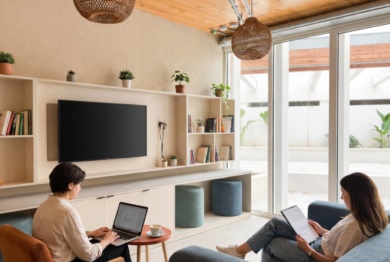
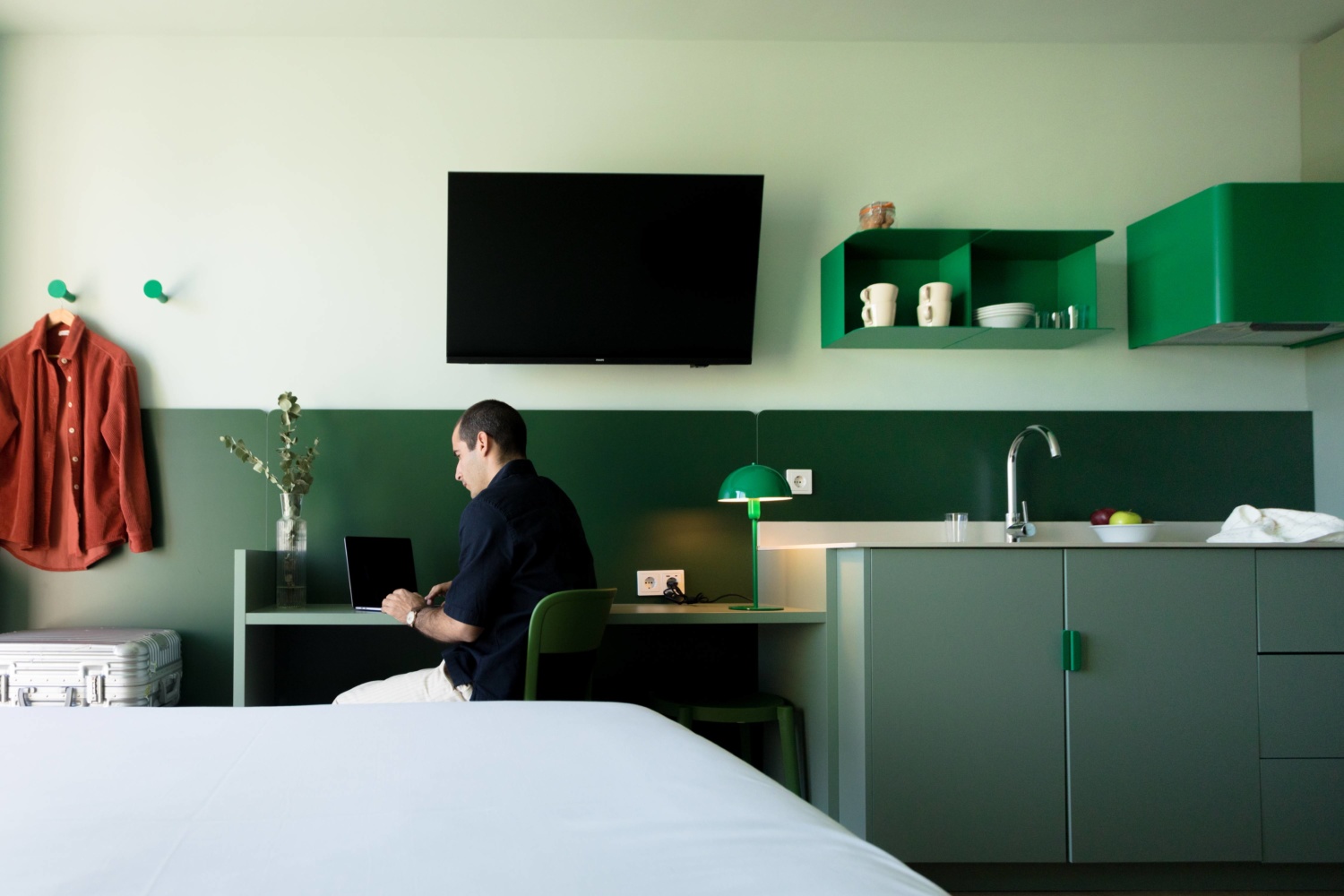
  • Fully equipped apartments.
  • Stays ranging from one day to one year.
  • Hotel license and tertiary-use land.
  • Hotel-style services.
  • Shared spaces designed to encourage community living.
  • Comprehensive professional management.

All of these characteristics place this model outside the residential housing market and within a specific regulatory framework.

Beyond accommodation itself, Flex Living incorporates shared spaces designed to foster interaction between guests and engagement with the local community, alongside comprehensive management that ensures a consistent and professionally operated experience. Compared with the fragmentation of the traditional rental market or the diversity of operators within the tourist accommodation sector, this model provides operational consistency, legal certainty, and specialized management.

A Market Experiencing Rapid Growth

One of the defining characteristics of Flex Living is that it addresses accommodation needs that differ from those of permanent housing. Because it is developed on assets designated for hotel or tertiary use, it does not compete with the residential housing stock but instead serves demand linked to mobility, career changes, and evolving lifestyles.

As Agustín Orcasitas, Chief Commercial Officer of Kategora Real Estate, explains, the urban role of Flex Living reflects this distinctive nature. Developed on hotel or tertiary-use land, operated through professional management, and designed to serve profiles such as relocating professionals, people undergoing residential transitions, or those requiring temporary accommodation, this model addresses specific accommodation needs without forming part of the residential housing market.

The evolution of the sector reflects the growing interest in this asset class. According to data from CBRE and JLL, the growth of Flex Living is reflected in the following figures:

  • The number of Flex Living beds in Spain has increased fivefold since 2020, rising from approximately 2,000 to nearly 10,000 units.
  • The market is expected to reach 39,000 beds by 2027.
  • Cumulative investment in the segment had already reached approximately €1 billion by the end of 2024.
  • Madrid and Barcelona account for more than 70% of the national supply.
  • Cities such as Málaga, Valencia, and Bilbao are steadily increasing their share of the market, driven by growing demand for flexible accommodation and the development of new specialized projects.

The Role of Integrated Management in the Development of Flex Living

The consolidation of the sector has also highlighted the importance of the management model. While in many projects the different stages—development, commercialization, and operations—are handled by separate companies, some operators have chosen to integrate the entire process within a single organizational structure.

This is the case with Kategora, which has developed a 360º model. This approach makes it possible to maintain a comprehensive vision throughout the entire lifecycle of each project while ensuring consistency between design, construction, commercialization, and ongoing operations.

A 360º Model for Developing and Operating Flex Living Assets

One of the distinguishing features of Kategora’s model is that the company is involved in every stage of each project’s lifecycle. This 360º approach includes:

  • Land acquisition and opportunity sourcing.
  • Financial structuring.
  • Architectural design.
  • Development and construction.
  • Commercialization through a horizontal property division model.
  • Hotel operations through Kora Living.

The objective goes beyond developing a building. It is about creating an asset designed to perform over the long term through professional management focused on optimizing its operational performance.

Sustainability Integrated Throughout Every Stage of the Project

Within this model, sustainability is not incorporated solely as a design criterion but as a principle embedded throughout both the development and operation of the complexes. The integration of solutions such as solar energy, aerothermal and geothermal systems, together with advanced energy-efficiency technologies, makes it possible to develop buildings that achieve certifications such as Passivhaus and BREEAM, while reducing both resource consumption and environmental impact.

In addition to contributing to greater energy efficiency, this approach also helps optimize operating costs throughout the lifecycle of the assets. As a result, the complexes currently in operation consistently achieve occupancy levels above 90% and returns that outperform many traditional real estate assets.

Where to Invest in Flex Living Projects in Spain and Andorra?

Kategora’s strategy can be seen through a portfolio of projects across different markets, each designed to meet a variety of flexible accommodation needs.

One of its flagship developments is Kora Green City in Vitoria-Gasteiz, which opened in 2022. The complex is considered the largest Passivhaus-certified accommodation building in Europe and one of the most energy-efficient buildings in the world. In 2025, it achieved a 95% occupancy rate and a net return of over 9%, establishing itself as one of the leading examples of the Flex Living model developed by the company.

Kategora’s Flex portfolio also includes Kora Kiliki in Pamplona and Kora Lluna in Valencia, both of which are already in operation.

Barcelona: Urban Integration and New Spaces for the Neighborhood

Barcelona is home to several of Kategora’s most representative developments.

In Sant Adrià de Besòs, Kora Volta is being developed in the La Catalana district, opposite the iconic Tres Xemeneies. The project has already obtained its hotel license and will feature 270 apartments and more than 1,000 m² of communal areas. One of its most distinctive features will be a 978 m² commercial hub on the ground floor, designed to generate street-level activity and strengthen the integration of the complex with its urban surroundings.

Also located within the Barcelona metropolitan area is Kora Mostra, in L’Hospitalet de Llobregat. This project, which has also secured a hotel license, will comprise 253 apartments and represents an investment of €48.5 million. Its location combines proximity to Barcelona city center with direct access to Fira Barcelona and other major business hubs across the city.

Madrid and Málaga: Two Strategic Markets

Kategora’s expansion strategy also includes new developments in cities with strong demand for temporary accommodation.

In Madrid, Kora Lumen will be located in MadBit, the capital’s technology district, close to IFEMA, Adolfo Suárez Madrid-Barajas Airport, and the Metropolitano Stadium. Scheduled to open in 2028, the project is designed for relocating professionals, trade fair and conference attendees, digital nomads, and medium-term travelers.

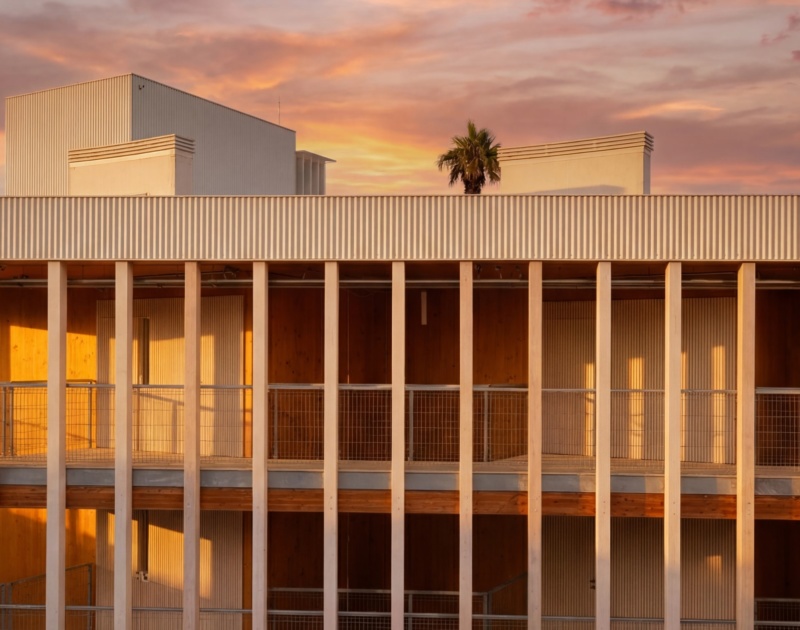
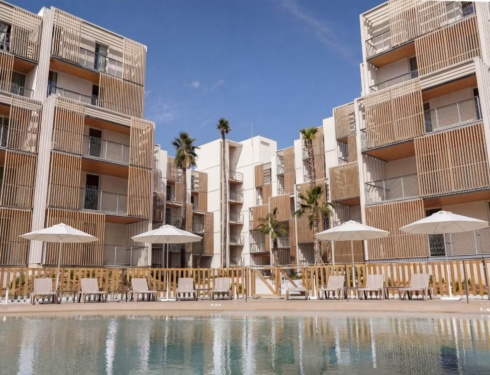
Meanwhile, Kategora Oceanika, located in Torremolinos and operated by Kora Living under the name Kora Olea, represents another of the company’s landmark developments. It is the largest timber hotel building in Southern Europe and is situated next to Los Álamos Beach, with direct connections to Málaga city center, the Málaga TechPark, and the international airport. The complex opened in March 2026 and continues to be marketed under Kategora’s investment model. Currently, 60% of its 180 apartments have already been sold, and it is expected to deliver an estimated net return of 6.5%.

Lanzarote and Andorra: Expanding the Beach and Urban Collections

Kategora’s portfolio of projects currently under commercialization also includes developments that strengthen two of its core product lines.

In Costa Teguise (Lanzarote), Kora Maresía joins the Beach collection with a development comprising 144 apartments with a hotel license and more than 12,700 m² of communal areas. Located on the seafront, the complex is expected to deliver an estimated net return of 6.5% and reflects a flexible accommodation model designed for one of Spain’s most established tourist destinations.

Meanwhile, Kora Andorra represents the company’s commitment to its Urban collection in the Principality of Andorra. The project is expected to deliver an estimated net return of 5% and responds to Andorra’s growing appeal as a destination for both real estate investment and flexible accommodation.
Investing with Kategora: A Model Backed by Results

The evolution of Flex Living can also be measured through the performance of assets already in operation. In Kategora’s case, two of its complexes once again achieved net returns of over 9% in 2025: Kora Green City in Vitoria-Gasteiz and Kora Nivaria Beach in Tenerife, which opened in 2020 as part of the company’s Beach collection.

Both complexes also maintained high occupancy levels throughout the year, reaching 95% and 93%, respectively. These results demonstrate the model’s ability to perform successfully in both urban and leisure destinations while supporting a long-term operational strategy.

In 2026, Kategora celebrates its 20th anniversary, marking a new stage in the company’s growth. After two decades of continuous evolution, the model developed by Kategora continues to expand across new cities and destinations, supported by a strategy that integrates real estate development, hotel operations, and sustainability within a single business model.

At a time when the way people live, work, and travel continues to evolve, Flex Living has established itself as one of the leading responses to the growing demand for temporary accommodation. With its integrated management model and expanding portfolio, Kategora continues to strengthen its position as one of Spain’s leading specialized operators in the living sector.

If you would like to learn more about the projects currently in Kategora’s portfolio, you can visit this website or contact the sales team directly at sales@kategora.com. They will be delighted to answer any questions you may have.

Kategora Oceanika — Costa del Sol, Much More⁣ than Sun
  • Fixed yield 4 %
  • Estimated Fixed + Variable 6,5 %
  • Owner Availability Flexible use
From € 238.000
Kategora Oceanika — Costa del Sol, Much More⁣ than Sun